
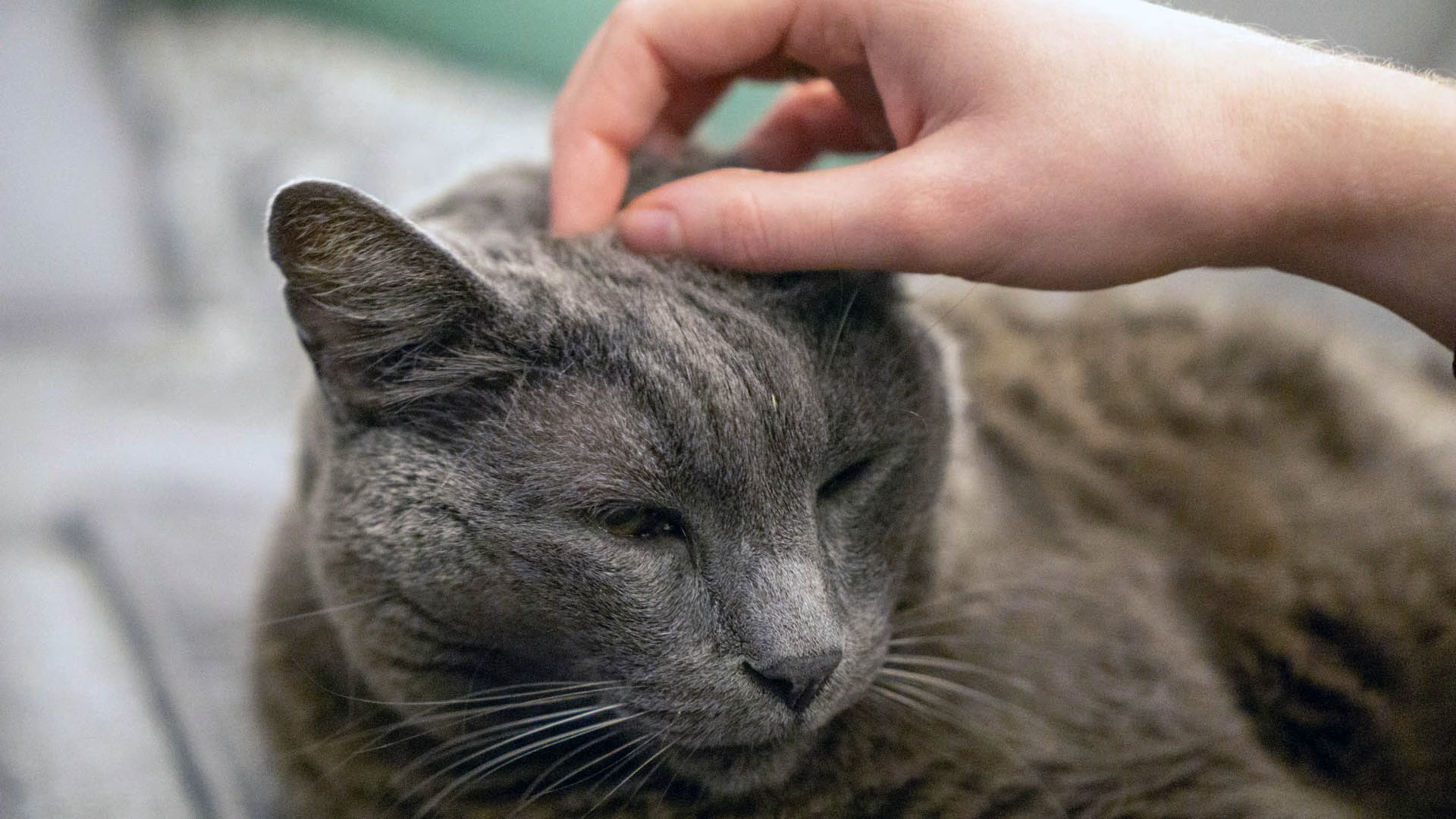
One of the hardest parts of loving an animal is realizing that love alone can’t take away their pain. As our pets grow older or face illness, we’re often left wondering—are they still happy? Are they comfortable? These questions weigh heavy on our hearts, and it’s completely natural to feel unsure.
Assessing your pet’s quality of life isn’t about giving up—it’s about making sure their days are filled with as much peace, comfort, and love as possible.
What “Quality of Life” Really Means
Quality of life isn’t just about how long your pet lives—it’s about how well they live. It’s whether your dog still wags their tail when you walk in the door, or if your cat still finds their favorite sunny spot to nap. It’s about their ability to eat, move, rest, and enjoy the small things that make them them.
Over time, especially with chronic illness or aging, those simple joys can fade. Recognizing these changes doesn’t mean you’re giving up hope—it means you’re being the kind of pet parent who puts compassion first.
Signs Your Pet May Be Struggling
Every pet’s journey looks different, but here are some gentle signs that may indicate their quality of life is declining:
- They no longer show interest in food or treats they once loved.
- Moving around, standing, or getting comfortable seems painful or exhausting.
- They have frequent accidents or trouble controlling their bladder or bowels.
- They seem restless, uncomfortable, or have trouble sleeping.
- They hide, withdraw, or seem disinterested in family interaction.
- They appear sad, confused, or distant instead of content.
- There are more “bad days” than “good ones.”
If several of these ring true, it might be time to pause and gently consider what your pet is telling you through their behavior and energy.
The Quality of Life Scale
Many veterinarians use something called the HHHHHMM Scale, which stands for:
Hurt, Hunger, Hydration, Hygiene, Happiness, Mobility, and More good days than bad.
It’s a way to look at your pet’s well-being through a compassionate, structured lens. Scoring each area from 0–10 can help you see where your pet might be struggling—and it can also help you celebrate the small victories and good moments that remain.
Listening to Your Heart
No one knows your pet like you do. You’ve learned every look, sound, and rhythm of their life. Often, your heart will whisper what your mind doesn’t want to admit—that they’re tired, or that their spark is fading.
It’s okay to cry. It’s okay to question yourself. What matters most is that your decisions come from love—and if you’re asking these questions, they already do.
At Peace for Paws, we encourage Las Vegas pet owners to trust their instincts while leaning on professional support. Our team is here to provide clarity, answer questions, and offer compassionate guidance.
You Don’t Have to Decide Alone
Lean on your veterinarian. They can help assess your pet’s comfort, guide you through care options, and support you in making choices that prioritize dignity and peace. This journey isn’t one you have to walk alone.
Love Until the Very End
Assessing your pet’s quality of life is not about letting go—it’s about letting them go gently. It’s about ensuring every remaining moment is filled with softness, safety, and love.
When the time comes, know that choosing peace for your pet is one of the purest acts of love there is. They’ve given you a lifetime of unconditional devotion—and you have the chance to give them the same, right until the very end.
Struggling with your pet’s quality of life?
Contact Peace for Paws today for compassionate in-home veterinary care in the Greater Las Vegas area. Schedule a consultation or call us at (702) 530-8262.