
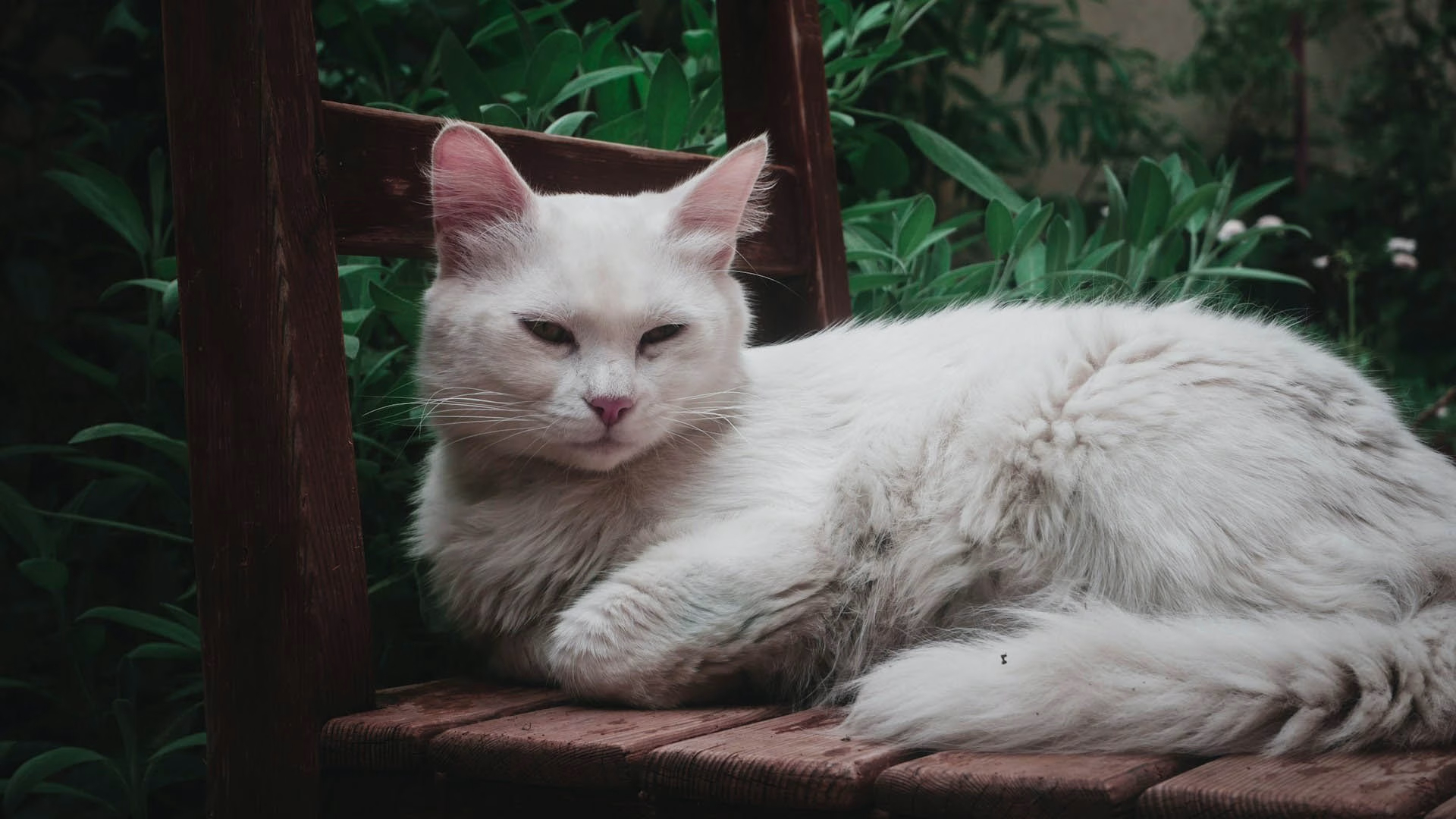
As our feline friends enter their senior years (typically 11+ years old), their physical health isn’t the only thing that can decline. Their mental well-being can too. Just like humans, older cats can develop anxiety that affects their quality of life. Recognizing the signs of anxiety in aging cats early can make a world of difference, especially for Las Vegas cat owners who want to give their seniors the calmest, most comfortable golden years possible.
In this guide, you’ll learn the most common symptoms of senior cat anxiety, why it happens in older cats, and practical steps Las Vegas pet parents can take to help their beloved companions feel safe again.
Why Do Senior Cats Develop Anxiety?
Aging brings changes that can be confusing or frightening for cats:
- Cognitive Dysfunction Syndrome (CDS): the feline equivalent of dementia or Alzheimer’s
- Vision and hearing loss: sudden noises or inability to see clearly can be terrifying
- Chronic pain (arthritis, dental disease, hyperthyroidism): pain often manifests as anxiety
- Reduced mobility: frustration from not being able to jump or play like they used to
- Changes in the household: new pets, moving house, or the loss of a companion
When an older Las Vegas cat feels vulnerable (especially in our bright, noisy desert environment), their stress response kicks in more easily than when they were younger.
10 Key Signs of Anxiety in Aging Cats
Look for clusters of these behaviors rather than just one in isolation:
- Hiding more than usual: Spending hours or entire days under the bed or in closets
- Decreased grooming or over-grooming: Either a scruffy coat from neglect or bald patches from compulsive licking
- Changes in appetite: Eating significantly less or, less commonly, stress-eating
- House soiling: Urinating or defecating outside the litter box, especially in new locations
- Increased vocalization: Excessive meowing, yowling (especially at night), or crying
- Restlessness or pacing: Walking in circles or seeming unable to settle
- Trembling or shaking: Especially when approached or in new situations
- Aggression that’s out of character: Hissing, swatting, or biting when they were previously friendly
- Clinginess or velcro-cat behavior: Following you from room to room and panicking when you leave
- Disrupted sleep-wake cycle: Wandering and vocalizing at 3 a.m. (common with cognitive dysfunction)
Senior Cat Anxiety vs. Medical Problems
Many of these signs overlap with pain or illness (hyperthyroidism, hypertension, urinary tract issues, etc.). Rule of thumb: Any sudden behavioral change in a cat over 10 warrants a veterinary visit first. Las Vegas has many excellent senior-cat specialists who can run bloodwork, blood-pressure checks, and cognitive screening.
How to Help an Anxious Senior Cat
Once medical causes are ruled out or managed, try these evidence-based calming strategies:
Environmental Enrichment & Safety
- Provide more hiding spots that are easy to access (low-entry beds, cardboard boxes on the floor)
- Use night lights and keep routines predictable (especially helpful in Las Vegas homes with bright Strip light at night)
- Install ramps or pet steps to favorite perches
Pheromone & Supplement Support
- Feliway Optimum or Classic diffusers (clinically shown to reduce stress signs)
- Zylkene or L-theanine (Calmex, Solliquin): non-prescription options
- Prescription anti-anxiety medication (gabapentin, fluoxetine, etc.) if needed
Nutrition for Brain Health
- Diets rich in antioxidants and omega-3s (Hill’s Prescription Diet j/d + Calm, Royal Canin Mature Consult, Purina Pro Plan Senior 11+ Brain Support)
Gentle Interaction
- Short, calm play sessions with wand toys (no chasing if arthritic)
- Brushing and quiet lap time: many anxious seniors crave gentle touch
When It’s Time to Talk About Quality-of-Life Decisions
If anxiety is part of a larger decline and your senior cat’s daily joy is fading despite your best efforts, many Las Vegas veterinarians now offer compassionate guidance on end-of-life care. Knowing when to let go peacefully is one of the kindest gifts we can give our pets.
Final Thought: You Know Your Cat Best
Senior cats often can’t tell us they’re scared or hurting, but their behavior speaks volumes. By learning to recognize anxiety in aging cats early and responding with compassion (and local veterinary support when needed), you can add comfort and joy to their golden years.
Your older cat spent years making your life better. Now it’s your turn to return the favor.